
Risk Governance
Risk governance defines responsibilities, risk acceptance criteria, and decision-making and monitoring processes. At iVantise, we integrate it throughout the infrastructure lifecycle to help our clients make decisions aligned with their safety, sustainability, and business objectives.
Value for Our Clients
The risk governance approach developed by iVantise delivers tangible, measurable value throughout the infrastructure lifecycle. It helps our clients make better decisions, optimize resources, and strengthen the sustainability and resilience of their assets.
Our approach helps clients:
- Reduce uncertainty in decision-making by providing a clear, structured view of key risks and the options for managing them.
- Prioritize investments in safety and resilience objectively, directing available resources toward the most significant risks.
- Justify decisions on technical and strategic grounds to regulators, lenders, and investors.
- Anticipate future risks, including those associated with climate change, and improve long-term planning.
- Strengthen organizational trust and credibility by demonstrating risk management aligned with international standards and ESG principles.
Integrated Risk Analysis and Investment Prioritization
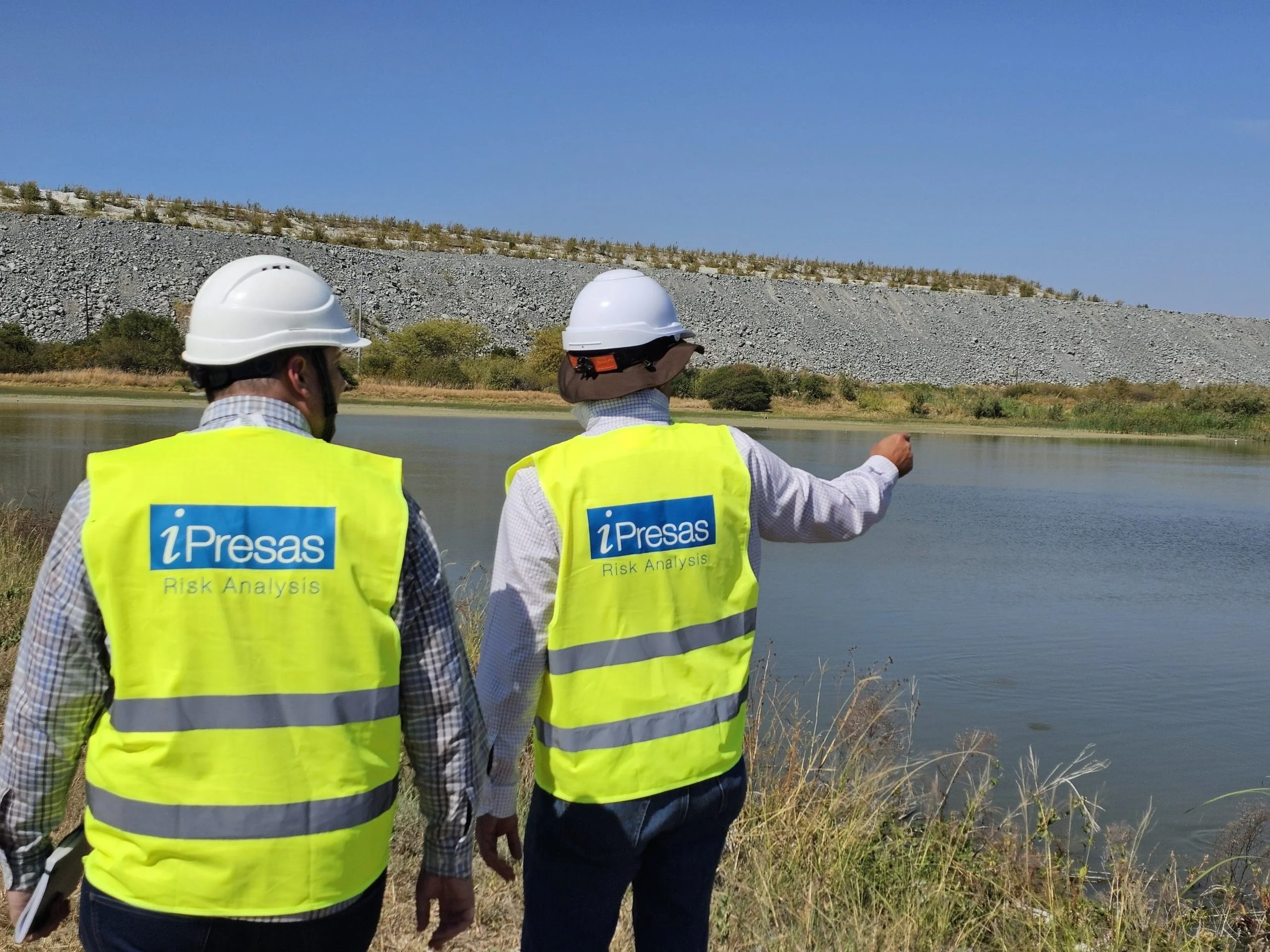
We help our clients identify, assess, and compare risks throughout the lifecycle of their infrastructure, considering natural, operational, and climate-related hazards alongside asset exposure and vulnerability.
Our analyses make it possible to rank risks objectively and turn the results into clear criteria for prioritizing investments.
Examples of applications:
- Comparing infrastructure modernization options based on how effectively they reduce risk.
- Prioritizing safety measures against flooding, earthquakes, or landslides within budget constraints.
- Assessing the incremental risk associated with expansions or operational changes.
Technical Support, Compliance, and Reporting
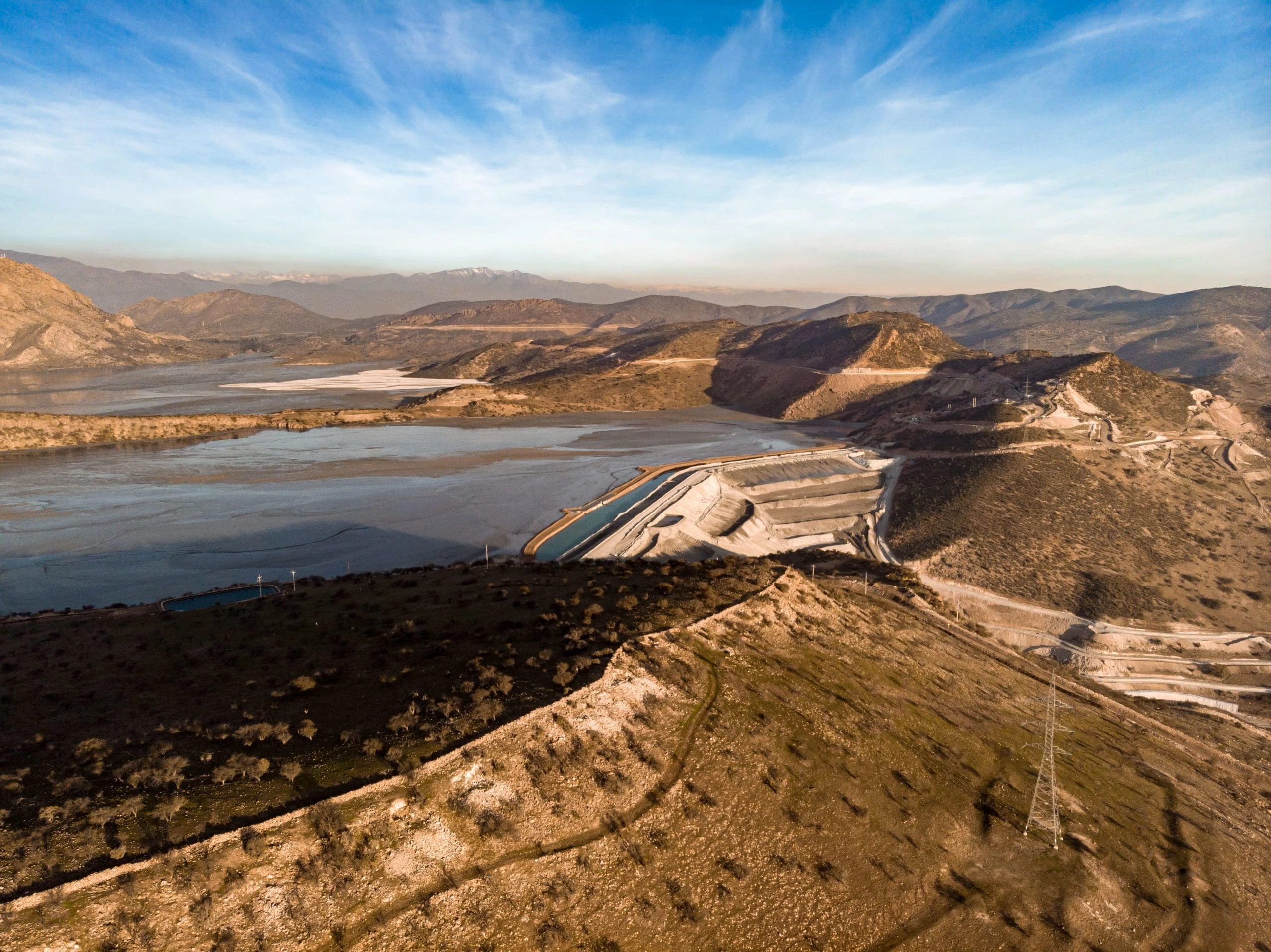
We support our clients in the practical implementation of risk management, including regulatory compliance, technical audits, and communication with regulators, lenders, and investors.
We help structure risk information clearly and consistently, in line with international standards and ESG criteria. This makes it easier to provide a technical basis for decisions and build stakeholder confidence.
Examples of applications:
- Providing technical support for safety audits and independent reviews.
- Preparing risk reports for lenders and multilateral banks.
- Defining indicators and monitoring processes to support continuous improvement in risk management.

Integrating Climate Risk and Resilience
We incorporate climate change as a core element of risk management, assessing how evolving hazards may affect infrastructure safety, operation, and sustainability over the medium and long term.
This approach helps anticipate future conditions and design adaptation and resilience measures proportionate to the level of risk.
Examples of applications:
- Reviewing hydraulic design criteria under scenarios with more frequent or severe extreme events.
- Assessing how existing infrastructure may perform under changing climate conditions.
- Integrating climate risk into long-term investment and maintenance plans.
Strengthen Risk Governance. Make Strategic Decisions.
Effective governance is essential to sustainable, resilient risk management. Contact us to develop a risk governance strategy tailored to your organization.