
Climate Risk Analysis for Ports
We quantify climate risk to drive resilience, operational continuity, and competitiveness for your port.
A structured methodology for port risk management
At iVantise, we apply a structured methodology for identifying and analyzing Potential Failure Modes (PFMA) in the port sector, designed to support Port Authorities, operators, concessionaires, shipping companies, and logistics companies in making informed risk-based decisions.
Our approach makes it possible to quantify operational and structural risk, identify the main risk drivers, and assess their impact on the port’s operational continuity, safety, and economic performance. Through quantitative analysis, we help prioritize risk reduction measures or knowledge-improvement actions, aligning port management with international best practices.
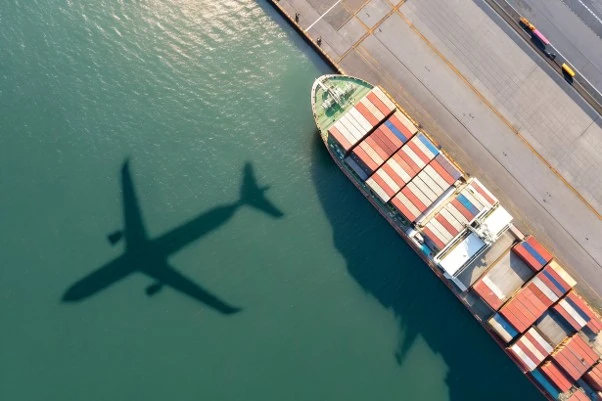
Operational Resilience and Port Competitiveness
Our analysis makes the port a more competitive, reliable, and attractive destination compared to other ports, by objectively demonstrating its resilience to disruptive events.
A port that quantifies and manages its risk:
- Builds greater confidence among shipping lines and investors
- Reduces the likelihood and duration of operational shutdowns
- Maximizes performance and minimizes recurring economic losses
- Justifies infrastructure and operational investments with objective criteria
Using probabilistic models, we estimate the likelihood of disruptions occurring, the economic losses caused by climate risks, and determine which measures offer the greatest return in terms of risk reduction.
We integrate climate resilience as a central pillar of port risk analysis, linking climate studies to the port’s operational and economic performance.
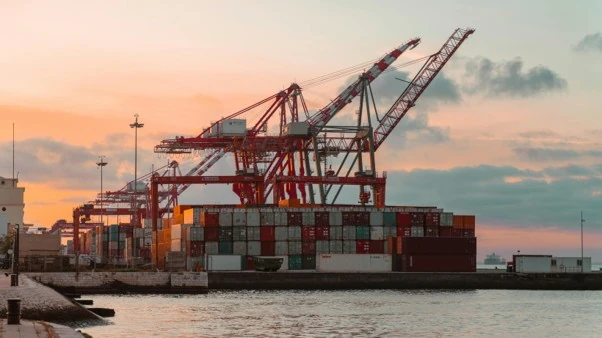
Our approach includes
-
Probabilistic climate risk models
-
Converting event frequencies (extreme wind, waves, storm surges, precipitation, temperature) into annual economic losses
-
Climate change projections and their impact on infrastructure and operations
-
Estimation of operational thresholds based on historical records of events and shutdowns
-
Cost-benefit evaluation of adaptation and mitigation measures



From analysis to action
This analysis makes it possible to anticipate how climate change may alter operating conditions and affect the port’s availability, safety, and costs over the medium and long term.
The analysis translates directly into tools for port management and planning, as well as for the day-to-day operation of infrastructure.
We identify and analyze the operational and structural units of the port complex and assess the need for:
- Adaptation of infrastructure, design, and operations
- Adjustments to maintenance strategies
- Implementation of preventive measures to improve resilience
All of this in response to hazards such as sea level rise, changes in wave patterns, storm surges, extreme wind, and other effects of climate change.

This quantitative approach makes it possible to
-
Reduce operational and repair cost overruns
-
Prioritize investments in a transparent and defensible way
-
Integrate risk into the port’s strategic decision-making


Let’s talk about Climate Risk Analysis for Ports
Our team of experts is ready to help you manage risk, improve safety, and make data-driven decisions.