
Qualitative and Semi-Quantitative Risk Analysis
Qualitative and semi-quantitative risk analysis enables the systematic identification of scenarios that could lead to infrastructure failure or loss of functionality, the analysis of their causes and consequences, and the setting of priorities for risk management.
At iPresas, we facilitate multidisciplinary workshops to systematically identify failure modes, their causes, progression mechanisms and consequences. The results help prioritise risk scenarios, identify risk reduction measures and establish the basis for subsequent quantitative analyses.
Potential Failure Mode Analysis workshops combine risk analysis methodologies with the knowledge and experience of specialists from different disciplines to develop a structured, shared understanding of risk. They bring together available knowledge of infrastructure behaviour, external hazards, failure mechanisms and their potential consequences.
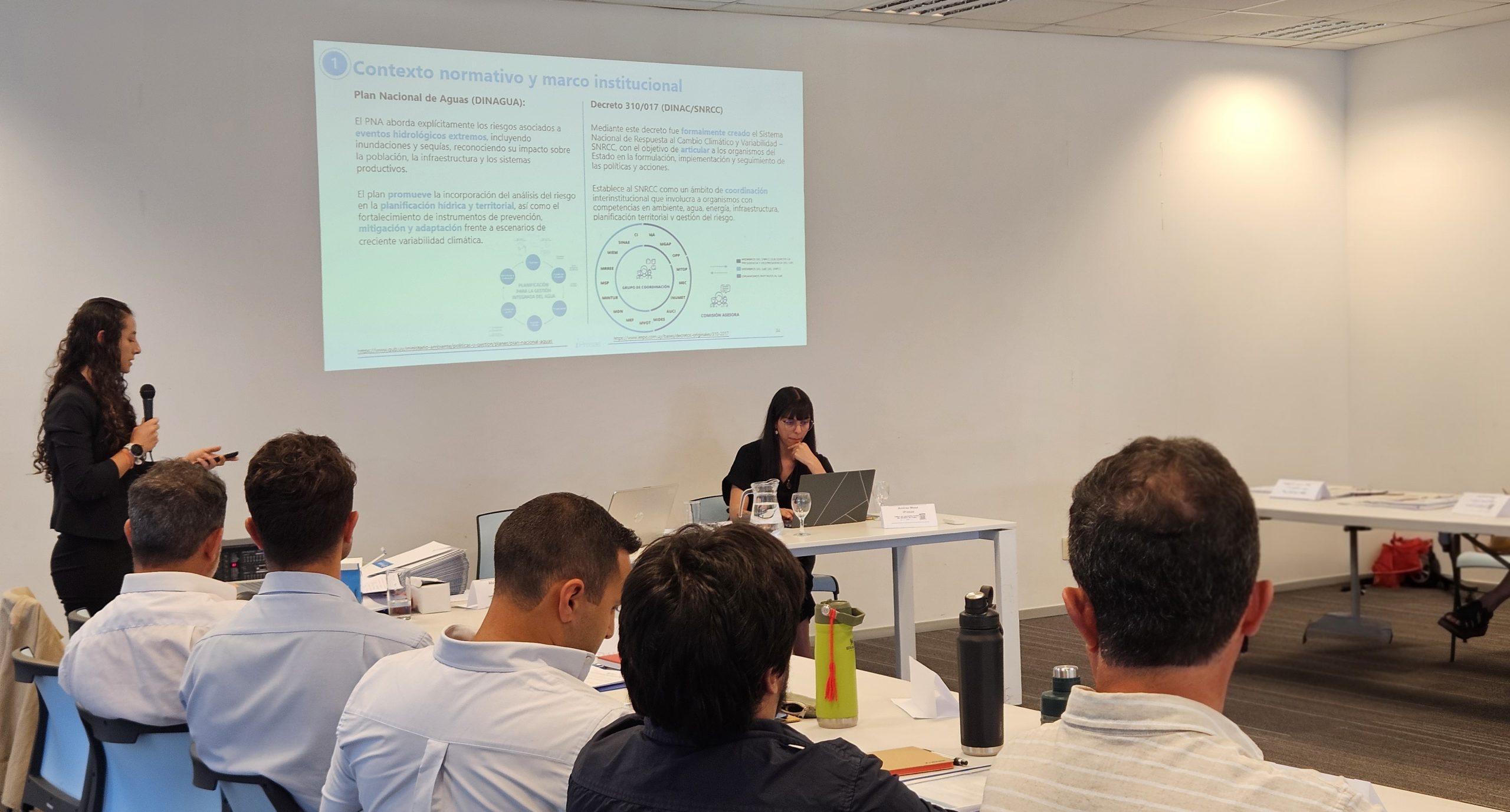
The process includes:
-
System and Hazard Characterisation
Identification of relevant components and systems, together with internal and external hazards.
-
Failure Mode and Causal Analysis
Analysis of causes, failure modes and failure progression mechanisms.
-
Assessment of Barriers and Measures
Assessment of existing barriers and identification of detection, prevention and mitigation measures.
-
Consequence and Likelihood Analysis
Qualitative or semi-quantitative estimation of frequencies and analysis of the consequences of each scenario.
-
Risk Evaluation and Prioritisation
Classification and prioritisation of risk scenarios to support decision-making.




The outcome is a structured register of failure modes and risk scenarios, serving as a reference tool for safety management and the planning of subsequent analyses.
Qualitative and semi-quantitative analysis also provides an essential foundation for defining and guiding subsequent quantitative studies. The scenarios identified during the workshops help determine which failure modes warrant probabilistic characterisation and a detailed assessment of their consequences.